International Standoff 17 Cyberbattle
Cyber exercise
finished


Railway sector
Heavy Logistics
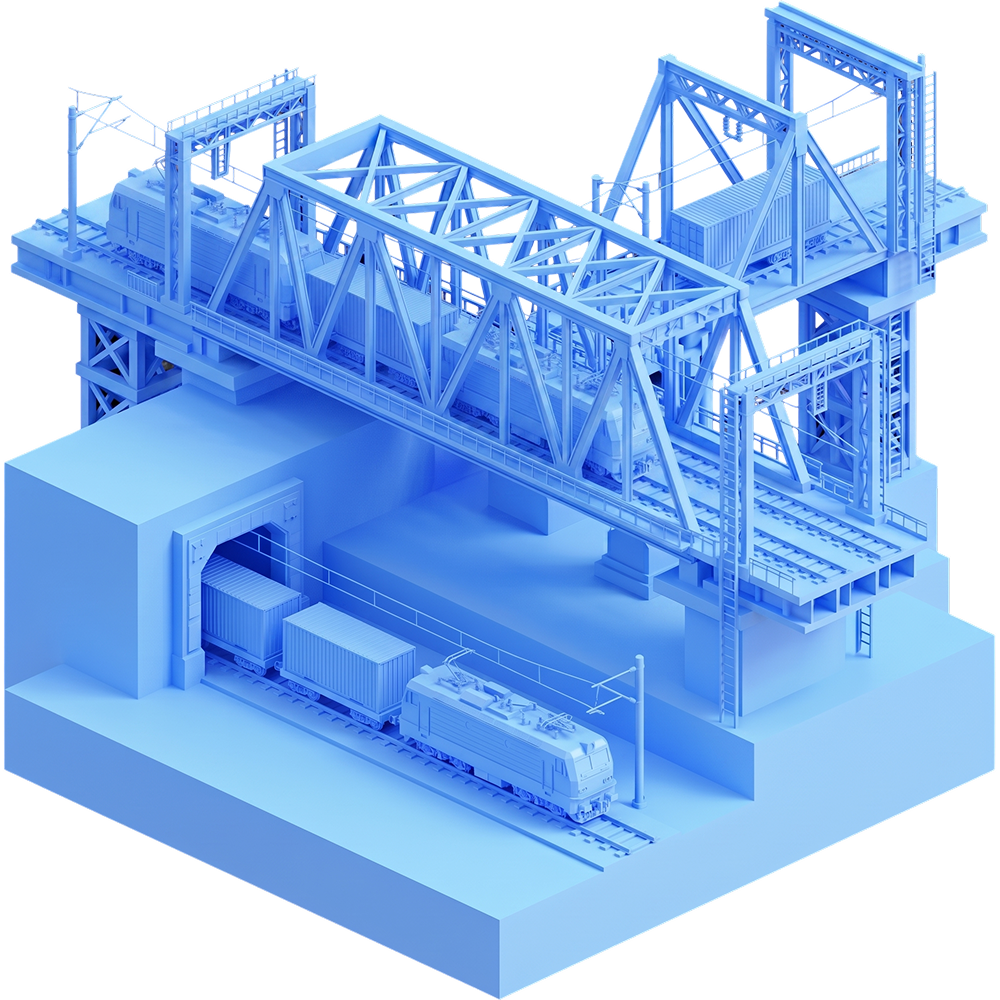
The railway of State F is rarely noticed — as long as it works. The endless freight trains hauling coal and metal, the packed morning commuter trains, and the express trains hurtling through the night are all governed by a single schedule. Logistics here is calibrated to the minute, and every switch, signal, and dispatcher’s console is tied into a unified digital system on which the life of the entire State F depends.
The industry monopolist is the Train Logistics corporation. It manages stations, marshalling yards, depots, as well as its own training centres and departmental polyclinics. For attackers, a multitude of vectors opens up here: targets include both conventional corporate networks and the closed industrial loop.
Tampering with the timetable on station displays will create chaos on the platforms. Interference with dispatching centres can alter routes and provoke a large-scale accident. But the most interesting things lie on the periphery. For example, hackers can reach the databases of departmental polyclinics to pull a healthy crew off the line or, conversely, send a driver with an expired medical clearance out on a run. It is possible to go even more subtle: infiltrate the training LMS systems and quietly substitute the regulations. Trainees will cram distorted safety rules without ever suspecting it and, with their own hands, will prepare a future catastrophe.
The peculiarity of the railway is that the consequences of an attack always extend beyond a single company. The delay of one train triggers a chain reaction: passengers run late, deliveries are disrupted, factories stand idle, and motorways choke from overload.
Residents of the City have grown accustomed to thinking of trains as the most reliable part of State F’s infrastructure. That is precisely why every failure here is felt especially acutely. When a dispatcher sees an order on the screen that they never gave, the whole country understands: a successful cyberattack here is not just a defaced website. It is interference in the physical movement of thousands of tonnes of metal hurtling through the night at 120 kilometres per hour.
Attacker metrics
Critical events
35reports
submitted
submitted
23critical events
triggered
triggered
Loading data
Vulnerabilities
0vulnerabilities
discovered
discovered
Severity:
Critical: undefined
High: undefined
Medium: undefined
Low: undefined
Defender metrics
0
incidents
recorded
recorded
0
critical events
investigated
investigated
Results
Rank
Team
Triggered events
Event points
Discovered vulnerabilities
Vulnerability points
Bonus and penalty points
Total points
1
HackerLab
3
31,801
9
2,900
+100
34,801
2
FR13NDS & RHACKERS
3
31,801
6
1,800
33,601
3
T3amW1pe
2
12,720
12
3,800
16,520
4
Cyb7rC0d3#
2
12,720
10
3,300
+100
16,120
5
DreamTeam
2
12,720
11
3,000
+100
15,820
6
cR4.sh
2
12,720
10
3,100
15,820
7
Dataeli&only_f4st
2
12,720
8
2,400
15,120
8
EvilBunnyWrote
1
6,360
12
4,300
10,660
9
ℭ𝔲𝔩𝔱
1
6,360
7
2,300
8,660
10
SPbCTF
1
6,360
4
1,200
7,560
11
SITON
1
6,360
4
1,100
7,460
12
SB3U
1
6,360
4
1,000
7,360
13
KiberS
0
0
5
1,500
1,500
14
Space x Pwn3dP0ss3
0
0
4
1,300
1,300
15
VNPT-VCI
0
0
4
1,300
1,300
16
Redac7d
0
0
3
800
800
17
Odoohondoo x GWTW
0
0
2
700
700
18
AgroTeam
0
0
2
500
500
19
Redmops
0
0
1
300
300
20
0x640646
0
0
1
200
200